 Save
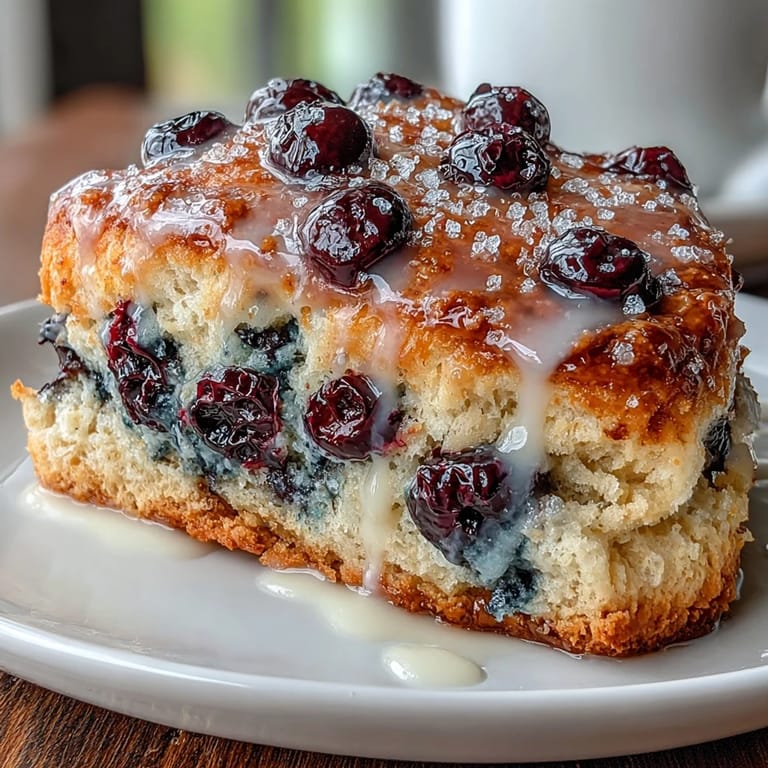
Save The first time I made these Lemon Blueberry Scones, it was one of those early spring mornings where the kitchen smelled faintly of citrus and possibility. I still remember the sound of blueberries popping ever so slightly in the oven, a reminder that something bright and beautiful was on the way. There was no rush—just a gentle hum of the stand mixer, a warm flood of sunlight on the counter, and a lemon waiting to be zested. Baking these scones felt like an invitation to slow down and enjoy the little things. They're the kind of treat that turns an ordinary breakfast into something worth celebrating.
Once, I baked a batch of these scones for a slow brunch with a friend who insisted she couldn’t possibly eat more than one—yet the plate was emptied before we even finished our first mugs of tea. The simple act of brushing heavy cream over the tops and watching them puff to golden perfection had us hovering near the oven, laughing at ourselves for our impatience. These are scones meant for lingering conversations and second helpings.
Ingredients
- All-purpose flour: Sifting helps create a plush crumb, and I’ve discovered that weighing the flour keeps the texture just right.
- Granulated sugar: Just enough to highlight the berries but not overwhelm them—the sugar can be swapped for vanilla sugar if you’re feeling fancy.
- Baking powder & baking soda: This combo lifts the dough for sky-high scones; always double-check expiration dates for the best rise.
- Salt: A pinch brightens all the flavors; once I forgot it and the scones tasted flat.
- Lemon zest: The zest perfumes the dough—you’ll smell it before you taste it, so zest directly over the bowl to capture every oil.
- Cold unsalted butter: The butter should be so cold your fingers tingle; use a pastry cutter or even two forks if your kitchen runs warm.
- Heavy cream: This adds richness; for extra tender scones, keep the cream straight from the fridge.
- Egg: The egg binds it all and provides a bit of structure; I prefer farm eggs for their golden yolks.
- Pure vanilla extract: A splash smooths out the citrus tang; use pure over imitation for a deeper flavor.
- Blueberries: Both fresh and frozen have their merits—frozen help the dough stay cool, but fresh berries are juicier.
- Powdered sugar: Sift if lumpy for the silkiest glaze, and don’t skimp because the glaze sets quickly.
- Freshly squeezed lemon juice: Add gradually until the glaze drizzles in thick ribbons; sometimes one lemon is all you need.
Tired of Takeout? 🥡
Get 10 meals you can make faster than delivery arrives. Seriously.
One email. No spam. Unsubscribe anytime.
Instructions
- Get everything ready:
- Preheat your oven to 400°F (200°C) and line a baking sheet with parchment paper so nothing sticks.
- Mix the dry base:
- In a large bowl, whisk together flour, sugar, baking powder, baking soda, salt, and that sunshiny lemon zest until well blended.
- Cut in the butter:
- Add very cold cubed butter to the flour mix and cut it in with a pastry cutter or rub it gently between your fingers until the pieces are pea-sized and the mixture looks crumbly.
- Combine wet ingredients:
- In a separate bowl, whisk together cold cream, egg, and vanilla, then pour this over the flour mixture and stir gently just until there are no dry patches left.
- Fold in the berries:
- Scatter in the blueberries and, using a spatula or your hands, fold them in with care—you want them dotted through, not crushed.
- Shape and cut:
- Turn the dough onto a lightly floured countertop, pat it into a 7-inch (18 cm) round about 1 inch thick, and slice it into 8 equal wedges—don’t worry if it’s a little rough around the edges.
- Arrange for baking:
- Gently transfer the wedges onto your prepped baking sheet, spacing them out so they puff up instead of crowding each other.
- Brush and bake:
- Lightly brush the tops with a touch more heavy cream, then bake for 16–18 minutes until golden and crisp on the edges.
- Cool and glaze:
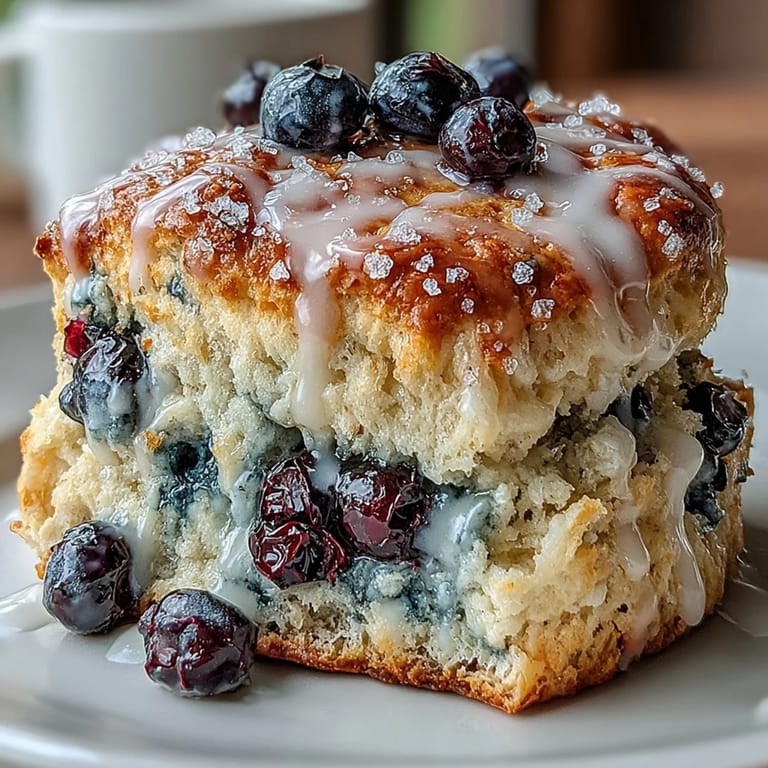
- Let the scones cool on a wire rack while you whisk together powdered sugar and lemon juice until smooth, then zigzag your glaze over each scone and give them a moment to set.
 Save
Save 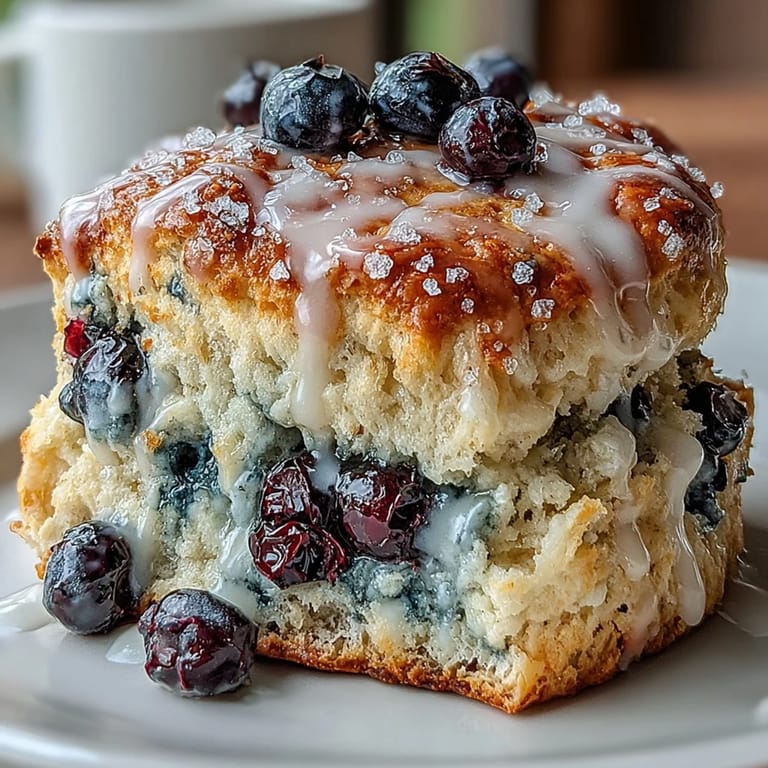 Save
Save There’s a particular joy in seeing a friend’s expression as they bite into something you made from scratch—especially when it’s warm, soft, and lemony with bits of blueberry bursting inside. For me, that’s when these scones go from recipe to memory, every single time.
Perfect Pairings — What To Serve With Scones
After experiments with all sorts of combos, I keep coming back to a classic cup of Earl Grey—the bergamot makes the lemon sing. They’re also fantastic with a dollop of clotted cream on the side, or if you feel adventurous, a flute of sparkling wine for brunch that feels just a little bit celebratory.
Common Scone Mistakes—And How To Avoid Them
Once, I tried to cut corners by letting my butter soften and ended up with heavy, spread-out disks instead of tall scones. Keep every ingredient cold, handle the dough quickly, and remember: lumps are your friend here because they steam up into fluffy pockets in the oven.
Swaps & Variations For Any Mood
Sometimes I riff with orange instead of lemon, or swap in chopped strawberries when blueberries are out of season—just remember to pat the fruit dry if it’s extra juicy. You can never go wrong adding a sprinkle of coarse sugar for crunch either, especially if you like a bit of sparkle on top.
- If using frozen fruit, add it straight from the freezer.
- For a nuttier flavor, toast the zest before mixing in.
- Always wait until the scones cool a bit before glazing or it will melt right off.
 Save
Save  Save
Save I hope these scones brighten your kitchen as much as they have mine. Enjoy each bite, and share generously—no one ever minds a little extra lemony glaze.
Common Questions
- → Can I use frozen blueberries?
Yes — use frozen berries straight from the freezer and do not thaw. Toss them lightly in a little flour before folding in to reduce bleeding and keep the dough from turning purple.
- → How do I keep the scones tender and flaky?
Keep the butter very cold and cut it into the flour until pea-sized crumbs remain. Use minimal mixing once the wet ingredients are added and handle the dough lightly; this preserves pockets of butter that create flakiness.
- → How can I get golden, crisp tops?
Brush the scone tops with a little heavy cream before baking and sprinkle coarse sugar if you like extra crunch. Baking at a high temperature (400°F/200°C) helps develop color quickly without overbaking the interior.
- → Can I make these ahead or freeze them?
Yes. Freeze baked scones in a single layer, then transfer to a bag for longer storage; reheat in a low oven to refresh. You can also freeze the cut raw wedges on a tray, then bake from frozen with a minute or two extra time.
- → What can I use instead of heavy cream?
Substitute an equal amount of buttermilk or whole milk plus an extra tablespoon of butter for richness. Note that texture may be slightly less tender than with heavy cream.
- → How do I adjust the lemon glaze consistency?
Add lemon juice a teaspoon at a time to powdered sugar until it reaches a drizzleable consistency; for a thicker glaze use less juice or add more powdered sugar. For a thinner finish, use a little hot water instead of extra juice.